

How to Identify Non-Toxic Baby Clothing (2026)
Table of Contents
- Why Non-Toxic Baby Clothing Matters More Than You Think
- Toxic Chemicals in Baby Clothes to Avoid
- GOTS Certified Baby Clothes: What the Label Actually Means
- How to Read Clothing Labels for Non-Toxic Baby Clothing
- Safe Clothing for Sensitive Skin: Fabrics That Help and Hurt
- Second-Hand Baby Clothes: Safe or Not?
- Laundry and Maintenance: Keeping Baby Clothes Non-Toxic Over Time
- Conclusion
Last Updated: August 20, 2026
Why Non-Toxic Baby Clothing Matters More Than You Think
A 2025 study published in Environmental Research examined 43 infant garments and found 303 different chemicals, including traces of pesticides and prescription drugs. At Tiny Adventures, we hear from parents constantly about this exact concern, and the science backs up every worry.
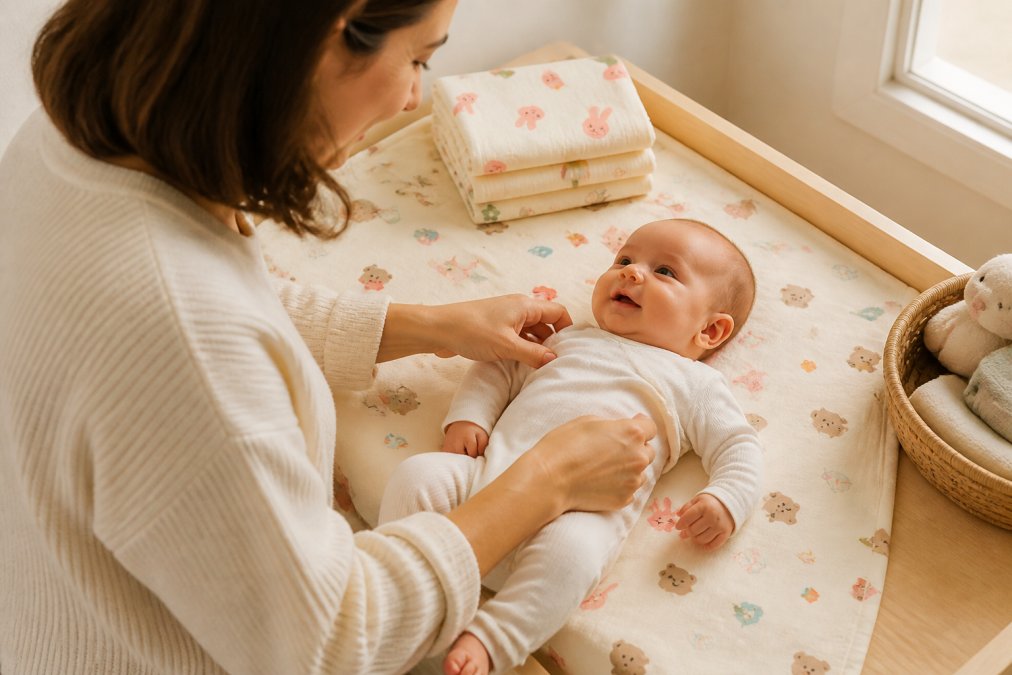
A newborn's skin is approximately 30% thinner than an adult's and absorbs topical substances at rates up to three times higher. Clothing sits against that skin for 12 to 16 hours a day, making every chemical in the fabric a potential exposure event.
"This widespread chemical usage raises significant public health concerns, particularly because the routine act of wearing clothing implies exposure on a daily basis." -- Researchers at Environmental Research (Environmental Research, 2025)
Non-toxic baby clothing is manufactured without harmful chemical treatments, synthetic pesticide residues, toxic dyes, or finishing agents that could transfer to a baby's skin. The global organic baby clothing market was valued at USD 2.15 billion in 2025 and is projected to reach nearly USD 3.38 billion by 2032, growing at a CAGR of 6.67%, driven by parental awareness of these risks.
This guide walks through exactly which chemicals to watch for, which certifications actually mean something, and how to verify what you're buying before it touches your baby's skin.
Toxic Chemicals in Baby Clothes to Avoid
Formaldehyde and Wrinkle-Free Finishes
Formaldehyde appears in wrinkle-free and easy-care finishes, which use N-methylol resins that release formaldehyde gas over time. A 2022 study found formaldehyde in 20% of tested baby garments, with a mean concentration of 8.96 mg/kg. Surprisingly, garments labeled "eco-friendly" had higher mean formaldehyde concentration (10.4 mg/kg) than conventional garments (8.23 mg/kg). "Eco" labeling on clothing is unregulated in the United States and means nothing without recognized third-party certification.
One wash before first use eliminated formaldehyde entirely in every tested sample. Washing new baby clothes before wearing them is the single most effective, lowest-cost action you can take.
PFAS, Lead, and Phthalates
PFAS (per- and polyfluoroalkyl substances) are used in stain-resistant and water-repellent finishes. A 2022 study found PFAS in 72% of children's outdoor jackets, and the Environmental Working Group found fluorine markers in all 34 baby textile items tested. These "forever chemicals" don't break down in the body and are linked to developmental issues and immune system disruption.
Lead is an emerging concern. Research presented in March 2026 found that fabric in some children's fast-fashion shirts contained lead levels exceeding U.S. federal regulatory limits of 100 parts per million (ppm). Brightly colored fabrics, particularly red and yellow, showed the highest concentrations, a significant risk for infants who mouth everything.
Phthalates appear in PVC prints and plastisol graphics on clothing and are linked to endocrine disruption. Avoid any garment with thick, rubbery printed graphics for daily wear.
Synthetic Dyes and Heavy Metals
Conventional textile dyes can contain heavy metals including chromium, nickel, and cadmium, used as mordants during dyeing and remaining as residues in finished fabric. The 2025 Environmental Research study found that almost 95% of tested textile products contained methylparaben, a preservative with endocrine and environmental toxicity concerns. Natural dyes derived from plant sources carry significantly lower heavy metal burden, though certification is still important.
GOTS Certified Baby Clothes: What the Label Actually Means
GOTS (Global Organic Textile Standard) is the most comprehensive certification for organic baby clothing. It covers the entire supply chain from raw fiber to finished garment, including processing, manufacturing, packaging, and labeling. To earn GOTS certification, a garment must contain at least 95% certified organic fibers and meet strict limits on hazardous chemicals, including a formaldehyde limit of 16 mg/kg.
GOTS vs. OEKO-TEX Standard 100 Class I
| Certification | What It Covers | Formaldehyde Limit | Fiber Requirement |
|---|---|---|---|
| GOTS | Entire supply chain (fiber to finished garment) | 16 mg/kg | 95% certified organic |
| OEKO-TEX Standard 100 Class I | Finished garment testing only | 20 mg/kg | No organic fiber requirement |
| OEKO-TEX MADE IN GREEN | Production facilities + finished product | Included in Class I | No organic fiber requirement |
OEKO-TEX Standard 100 Class I is specifically designed for products in direct contact with babies' skin. It tests the finished garment against over 100 harmful substances but does not require organic fibers or verify upstream production. A conventional cotton garment with chemical dyes can earn this certification if the final product tests clean.
GOTS tells you the whole story. OEKO-TEX Standard 100 Class I tells you the finished garment is safe. For parents who want to know a garment is pesticide-free at the farm level, GOTS is the stronger signal.
How to Read Clothing Labels for Non-Toxic Baby Clothing
Reading clothing labels takes about 60 seconds per garment once you know what to look for.
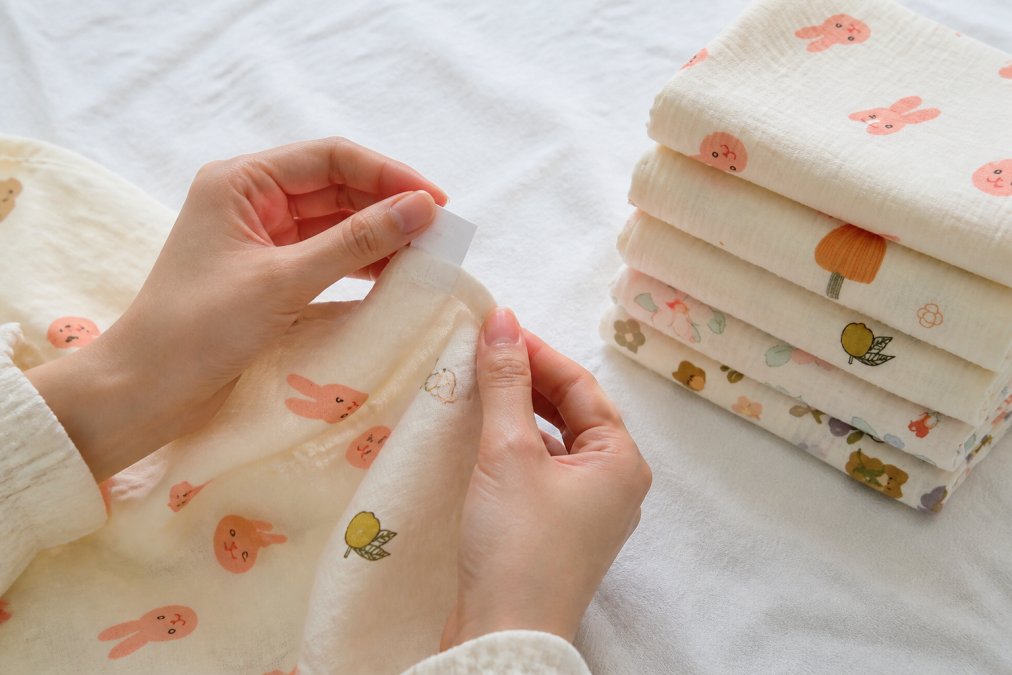
Step 1: Check the Fiber Content First
The fiber content label is legally required under the FTC Textile Fiber Products Identification Act guidelines. Look for:
- Prioritize: 100% organic cotton, organic wool, linen, hemp, or lyocell (TENCEL™)
- Approach with caution: Conventional cotton (high pesticide load), bamboo viscose/rayon (harsh chemical processing)
- Avoid for daily wear: Polyester, nylon, acrylic, PVC-containing fabrics
"100% organic" without a certification mark is an unverified claim.
Step 2: Look for a Recognized Certification Mark
After checking fiber content, look for one of these marks on the label or packaging:
- GOTS (Global Organic Textile Standard), with certification number
- OEKO-TEX Standard 100 Class I
- bluesign®
- Fair Trade Certified
If none appear, the garment's safety claims are unverified.
Step 3: Verify the Claim Online
Both GOTS and OEKO-TEX maintain public databases where you can confirm certification is current and valid:
- GOTS database: global-standard.org
- OEKO-TEX database: oeko-tex.com
Certifications expire. A brand certified two years ago may not be certified today.
Step 4: Wash Before the First Wear
Regardless of certification status, wash every new garment before your baby wears it. The 2022 Herrero study found that washed samples had zero detectable formaldehyde across all tested garment types.
Safe Clothing for Sensitive Skin: Fabrics That Help and Hurt
A study published in the Journal of Pediatric Dermatology found that 70% of parents reported fewer skin irritations when switching to organic fabrics. That result reflects both the absence of chemical residues and the physical properties of well-processed natural fibers.
Fabrics that support sensitive skin:
- Organic cotton: Soft, breathable fabric with good moisture management. Look for GOTS certification.
- Organic wool (merino): Naturally temperature-regulating and hypoallergenic when processed without harsh chemicals.
- Linen: Durable, naturally antibacterial, and gets softer with washing.
- Lyocell (TENCEL™): Made from wood pulp in a closed-loop process that recovers 99% of the solvent used. Dermatologically tested for sensitive skin.
- Hemp: Naturally pest-resistant, durable, and softens over time.
Fabrics and finishes to avoid:
- Polyester-heavy blends: trap heat and moisture
- Bamboo viscose/rayon: often processed with carbon disulfide, a toxic solvent
- Acrylic: petroleum-derived synthetic that holds chemical residues
- Wrinkle-free and easy-care finishes: formaldehyde risk
- PFAS-treated stain-proof items: particularly outdoor jackets
The Tiny Adventures Newborn Cotton Muslin Swaddle Blanket ($19.95) uses soft cotton construction designed for direct skin contact with newborns. The Cartoon Bear Baby Socks ($19.95) feature soft cotton material with anti-slip soles suitable for sensitive skin.


Second-Hand Baby Clothes: Safe or Not?
Second-hand baby clothes are generally safer than new fast-fashion garments because most chemical residues, particularly formaldehyde from wrinkle-free finishes, wash out with repeated laundering.
The risks that persist are:
- Dye instability: Older garments may have used dyes not tested to current standards. Check for color bleeding in the first wash.
- Physical degradation: Worn fibers can become more permeable. Inspect for thinning or breakdown around seams.
- Unknown provenance: You don't know whether the original garment contained PFAS coatings or lead-containing dyes. Brightly colored vintage or fast-fashion pieces carry more risk.
- Flame retardant treatments: Older children's sleepwear, particularly pre-2000, may have been treated with now-banned flame retardants.
Second-hand natural fiber garments from reputable brands, washed thoroughly before use, are a reasonable choice. Second-hand fast-fashion pieces in bright colors warrant more caution.
Laundry and Maintenance: Keeping Baby Clothes Non-Toxic Over Time
Buying certified, non-toxic baby clothing is step one. Maintaining that safety standard through washing and storage is step two.
Choose the right detergent. Conventional laundry detergents contain optical brighteners, synthetic fragrances, and surfactants that leave residues on fabric. For baby clothing, use fragrance-free, dye-free detergents formulated for sensitive skin. According to the American Academy of Pediatrics guidance on infant skin care, fragrance is one of the most common contact allergens in infants.
Wash temperature matters. Hot water (above 60°C / 140°F) is more effective at removing chemical residues, but it can degrade natural fibers. For certified organic garments, follow the care label. A warm wash (40°C / 104°F) with a second rinse cycle is a practical compromise.
Avoid fabric softeners. Fabric softeners coat fibers with a chemical film that sits directly against your baby's skin. Organic cotton and lyocell soften naturally with washing.
Storage considerations. Store clean baby clothes in breathable cotton bags or unbleached cotton bins rather than plastic containers. Plastic storage can off-gas chemicals that recontaminate freshly washed garments. Cedar blocks are a safer moth deterrent than chemical mothballs.
Stain treatment. Avoid chlorine bleach on baby clothing. Oxygen-based bleach (sodium percarbonate) is safer for whites. Sunlight is an effective natural bleaching and antibacterial agent.
Quick maintenance checklist:
- Use fragrance-free, dye-free detergent
- Add an extra rinse cycle to every wash
- Avoid fabric softeners and dryer sheets
- Store in breathable, non-plastic containers
- Treat stains with oxygen bleach, not chlorine bleach
- Air dry when possible
- Re-wash any garment in storage for more than a few months
Conclusion
Identifying non-toxic baby clothing is a solvable problem, but it requires more than trusting a label. Chemical exposure through clothing is real, infant skin is more vulnerable than adult skin, and "eco-friendly" marketing claims without certification backing are meaningless.
Tiny Adventures offers a curated selection of baby essentials built around safety and comfort, including the Newborn Cotton Muslin Swaddle Blanket and soft cotton accessories designed for sensitive newborn skin. Shop the Tiny Adventures collection and find baby essentials that put your baby's safety first.
Frequently Asked Questions
Can 100% cotton baby clothes still be toxic?
Yes. Conventional 100% cotton is grown with synthetic fertilizers and toxic pesticides, and finished garments are often treated with formaldehyde-releasing resins, synthetic dyes, or other chemical treatments. A 2025 study in Environmental Research found 303 different chemicals across just 43 infant garments. To confirm cotton is genuinely safe, look for GOTS certified baby clothes or OEKO-TEX Standard 100 Class I certification, which tests finished products for harmful chemical residues.
What chemicals should I avoid in baby clothing?
The main toxic chemicals in baby clothes to avoid are formaldehyde (used in wrinkle-free finishes), PFAS (in water-repellent and stain-proof items), phthalates (in PVC prints and plastisol graphics), lead (found in some brightly colored fast-fashion fabrics), and heavy metals from synthetic dyes. A 2026 study found lead levels exceeding the U.S. federal limit of 100 ppm in some children's fast-fashion shirts, particularly red and yellow fabrics.
Where can I find GOTS-certified baby clothes?
GOTS certified baby clothes are available from specialty retailers and online stores that carry certified organic textiles. Always verify claims directly on the GOTS public database at global-standard.org before purchasing. Certification must cover the entire supply chain, not just the fiber, so a brand claiming 'organic cotton' without a GOTS or OEKO-TEX Standard 100 Class I certification mark on the label may not meet the standard. Washing all new baby clothes before first use is recommended regardless of certification.
How do I read clothing labels for safety certifications?
Start with the fiber content tag, prioritize organic cotton, hemp, linen, or lyocell over polyester or acrylic blends. Then look for a printed GOTS or OEKO-TEX Standard 100 Class I certification logo, which includes a license number. Enter that number at the certifier's public database to confirm it is current and applies to that product. Research from 2022 showed that garments labeled 'eco-friendly' had higher mean formaldehyde levels than conventional garments, so unverified marketing claims alone are not reliable.
This article was written using GrandRanker